
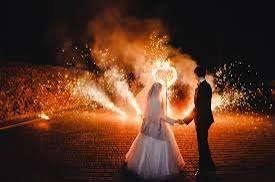
Weddings and family events are important occasions filled with happiness, food, decorations, music, and guests. Whether a celebration takes place at home, in a marquee, in a banquet hall, or in an outdoor garden, careful planning helps make the occasion enjoyable and safe.
However, events can introduce additional fire hazards. Temporary electrical connections, decorative lights, fabric drapes, cooking equipment, candles, generators, and crowded spaces may create risks if they are not managed properly. A small incident can become more dangerous when exits are blocked or guests do not know how to leave the venue.
In Pakistan, wedding celebrations often involve large gatherings, elaborate decorations, catering arrangements, and temporary event structures. Homeowners and event organisers should consider these factors when preparing a venue for guests.
Wedding and event fire safety is not only about having firefighting equipment available. It also involves preventing fires, identifying hazards, maintaining clear escape routes, arranging suitable alarm systems, and ensuring that everyone knows what to do in an emergency.
This guide explains ten important fire safety measures homeowners should consider before hosting a wedding, birthday party, family gathering, or other special event. It also explains the role of a suitable fire alarm system in Pakistan as part of a broader fire protection plan.
1. Inspect the Venue Before the Event
The first step in event fire safety is checking the venue before decorations, furniture, and equipment are installed.
A home, garden, marquee, or banquet hall may have different risks. A residential property might have narrow passageways, while a temporary marquee may use portable electrical equipment and fabric decorations. Large indoor venues may need more extensive fire protection and evacuation arrangements.
Before the event, inspect the following areas:
- Main entrances and emergency exits.
- Corridors, stairways, and passageways.
- Electrical outlets and temporary wiring.
- Cooking and catering areas.
- Generator and equipment locations.
- Fire extinguishers and other installed safety equipment.
- Access routes for emergency responders.
Check whether doors can open as intended and whether guests can reach the exits without passing through hazardous areas. Do not allow decoration stands, furniture, storage boxes, or catering equipment to obstruct escape routes.
For a large event or a venue with a complicated layout, ask the venue manager or a qualified fire safety professional to assess the arrangements.
In Pakistan, the Building Code of Pakistan (Fire Safety Provisions) 2016 is an important reference for fire and life safety. Applicable requirements depend on the building, event arrangements, and relevant local authority. Homeowners should confirm any necessary approvals or safety conditions before the gathering.
2. Use Decorations Carefully
Decorations help create the atmosphere of a celebration, but some materials can contribute to fire spread. Fabric drapes, paper ornaments, artificial flowers, foam decorations, and decorative backdrops may be combustible.
The risk can increase when these materials are placed close to hot lights, electrical equipment, cooking appliances, or other sources of heat.
To improve decoration safety:
- Keep decorations away from hot surfaces and electrical equipment.
- Avoid covering exit signs, alarms, detectors, or firefighting equipment.
- Do not hang fabric across escape routes or doorways.
- Use suitable products that meet applicable fire safety requirements.
- Ensure stage decorations do not interfere with exits or emergency access.
- Ask decorators to follow the venue’s safety rules.
Homeowners should discuss decoration plans with the event organiser before installation begins. A design that looks attractive in photographs may still create problems if it blocks a doorway or covers a safety device.
Do not assume that a material is fire-resistant simply because it looks thick or professionally made. Where fire-retardant materials are required, ask for appropriate product information and documentation.
Decorations should enhance the event without compromising the safety of guests, staff, or the property.
3. Pay Attention to Electrical Safety
Wedding events often use more electrical equipment than a normal household day. Decorative lighting, sound systems, stage equipment, projectors, catering appliances, and cooling systems may operate simultaneously.
Poor-quality connections, damaged cables, overloaded circuits, and unsuitable temporary wiring can increase the risk of electrical faults and fire.
Before the event, make sure that electrical installations and temporary connections are arranged by qualified personnel. Avoid improvising connections or using damaged equipment to save time or money.
Important precautions include:
- Inspect cables, plugs, and connectors for visible damage.
- Use electrical equipment according to the manufacturer’s instructions.
- Avoid overloading outlets or extension leads.
- Keep electrical connections away from water and damp areas unless specifically designed for those conditions.
- Route cables so they do not create trip hazards or obstruct exits.
- Switch off equipment that is not required, following safe shutdown procedures.
Outdoor events need additional attention because weather and ground conditions can affect electrical safety. Electrical equipment should be suitable for the environment in which it is used.
At the end of the event, arrange for equipment to be switched off safely. Do not leave unnecessary lighting or electrical appliances running unattended.
4. Arrange Safe Catering and Cooking Areas
Food is an important part of many Pakistani weddings and family gatherings. Catering may take place in a commercial kitchen, a separate outdoor cooking area, or a temporary service space.
Cooking equipment introduces heat, hot oil, fuel, and other potential hazards. The catering area should therefore be organised separately from crowded guest spaces wherever practical and permitted.
Consider these precautions:
- Keep combustible decorations away from cooking equipment.
- Maintain clear access around cooking and service areas.
- Use suitable, properly maintained appliances.
- Keep cooking oil and other materials stored appropriately.
- Ensure catering staff understand the venue’s emergency procedures.
- Avoid allowing guests to crowd around hot equipment.
Cooking arrangements should be supervised by responsible adults and trained catering personnel. Equipment should not be left unattended while operating.
If there is a suspected gas leak, staff should alert others, avoid ignition sources, leave the affected area, and contact the appropriate emergency service or qualified professional from a safe location. They should not attempt repairs themselves.
Cooking oil fires require particular caution. Water should never be poured onto burning cooking oil because it can cause the burning material to spread violently. If a fire develops, prioritise alerting others and evacuating when conditions are unsafe.
Homeowners should confirm that catering arrangements comply with the venue’s rules and applicable local requirements before the event begins.
5. Make Sure Fire Alarms and Detection Equipment Are Suitable
Early warning can help people recognise a fire and begin leaving the building sooner. This is especially important at busy events, where music, conversation, and crowd noise may make it difficult to notice a developing emergency.
A suitable fire alarm system in Pakistan can form part of a venue’s fire protection arrangements. The appropriate system depends on factors such as the building’s size, layout, occupancy, intended use, and applicable regulations.
Before hosting an event, homeowners should ask the venue manager whether the required fire detection and alarm equipment is installed, operational, and maintained.
Important considerations include:
- Whether the equipment is suitable for the venue.
- Whether alarm signals can be heard or otherwise recognised in occupied areas.
- Whether visual indicators are needed for accessibility.
- Whether temporary event arrangements affect detection or alarm coverage.
- Whether equipment has been tested and maintained as required.
- Whether staff know what to do when an alarm activates.
Decorations should never cover detectors, alarm indicators, or manual alarm points. Event organisers should not disable safety equipment to prevent unwanted alarms without an approved process managed by qualified personnel.
A home gathering does not automatically require the same system as a large banquet hall. Requirements should be determined according to the property’s circumstances and the relevant authority’s rules.
An alarm is only useful when people understand its meaning. The host or venue manager should make sure staff know how to alert guests, contact emergency services, and follow the evacuation plan.
6. Keep Emergency Exits Clear and Accessible
A safe escape route is one of the most important parts of event planning. When many people occupy a venue, a blocked doorway or narrow passage can slow evacuation and create confusion.
Before guests arrive, check that the required exits are visible, accessible, and free from obstructions. Furniture, flower arrangements, speaker stands, catering tables, gift displays, and decorative screens should not interfere with escape routes.
Review these points:
- Keep doorways and corridors clear.
- Make sure exit signs remain visible where required.
- Ensure emergency lighting is available where required.
- Avoid locking or blocking designated emergency exits during occupancy.
- Confirm that stairways and outdoor routes are usable.
- Keep emergency access routes clear for responders.
For events in marquees or temporary structures, exit arrangements deserve particular attention. Guests should be able to identify the available exits and reach them without having to move through crowded service areas.
Homeowners should not assume that an ordinary entrance is sufficient for every event. The number, width, and arrangement of exits depend on the venue, occupancy, and applicable safety requirements.
If a venue’s exits appear inadequate or unsafe, raise the concern with the owner or organiser before the event begins. Do not proceed on the assumption that an emergency will never happen.
7. Be Cautious With Candles and Other Open Flames
Candles may be used for decorative displays, dining tables, or ceremonial arrangements. Other events may include cooking flames or special effects that involve heat.
Open flames can ignite nearby materials if they are placed carelessly or left unattended. Flowing fabrics, paper decorations, artificial flowers, and table coverings may be especially concerning when placed near a flame.
For safer arrangements:
- Prefer suitable electric candles where practical.
- Keep any permitted open flame away from combustible materials.
- Ensure candles are stable and cannot easily be knocked over.
- Keep them out of reach of children and away from busy walkways.
- Have responsible adults supervise any permitted use.
- Extinguish flames when they are no longer needed.
Homeowners should also consider the clothing and movement of guests around decorative flames. Long fabric, flowing sleeves, and crowded spaces can make open-flame displays unsuitable.
Do not use open flames in areas where the venue prohibits them. Where the event requires special effects or unusual decorative features, consult the venue manager and qualified professionals to confirm what is allowed.
The safest decorative choice is often one that creates the desired atmosphere without introducing an unnecessary ignition source.
8. Manage Generators and Other Temporary Equipment Safely
Some events rely on backup power or temporary equipment to support lighting, sound systems, cooling, and catering. Generators and other powered equipment need appropriate installation, ventilation, supervision, and protection.
Poor placement or unsafe operation can introduce fire, electrical, and other serious hazards.
Before the event, confirm that temporary equipment is handled by competent personnel and placed in an approved location. Follow the manufacturer’s operating instructions and the venue’s requirements.
Key precautions include:
- Keep equipment away from guest movement and escape routes.
- Ensure required ventilation and safe separation from occupied spaces.
- Protect cables from damage and avoid trip hazards.
- Keep combustible decorations and stored materials away from equipment.
- Arrange proper maintenance and inspection.
- Do not allow untrained guests to operate or adjust equipment.
Fuel storage and refuelling require particular care and should be handled only by competent adults following the applicable safety procedures. Equipment should not be refuelled while running or hot when the manufacturer’s instructions prohibit it.
Never place a fuel-powered generator inside a home, enclosed room, or other unsuitable occupied space. Such equipment can produce dangerous exhaust gases and must be used only in an appropriate location.
If temporary power arrangements appear unsafe, contact the responsible supplier or venue manager and have the issue resolved before guests arrive.
9. Prepare a Clear Emergency Plan
Even with careful prevention, every event should have a clear response plan. Staff and organisers need to understand how to raise the alarm, guide guests, contact emergency services, and move people away from danger.
The plan should reflect the venue’s layout and the expected number of attendees.
Before the event, identify:
- The designated person responsible for raising the alarm.
- Who will contact the fire and rescue service.
- The available escape routes.
- A safe outdoor meeting point.
- Procedures for guiding guests who need assistance.
- A method for communicating urgent instructions.
- The location of firefighting equipment.
Employees should know that evacuation takes priority over protecting decorations, gifts, catering equipment, or personal belongings. Nobody should be instructed to enter a hazardous area or return to a building once it has been evacuated.
For larger events, the organiser and venue management should agree on responsibilities in advance. Staff should know who is coordinating the response and how to communicate without creating confusion.
Consider guests who may need additional assistance, including young children, older adults, and people with mobility, hearing, or visual limitations. Plan practical support while ensuring helpers are not placed at unnecessary risk.
A brief staff briefing before guests arrive can help everyone understand the plan. Where appropriate, venue staff should also practise emergency procedures in advance.
10. Check Local Requirements and Work With the Venue Manager
Fire safety responsibilities can differ according to the type of property, event size, temporary structures, and local rules. A private gathering at home may have different requirements from a large public event in a banquet hall or marquee.
In Pakistan, the Building Code of Pakistan (Fire Safety Provisions) 2016 is an important national reference. Its provisions address fire prevention, life safety, building protection, and aspects of event safety. The code also discusses considerations for outdoor events, including crowd movement, fire hazards, emergency access, and coordination among responsible parties. <Cite refs={[“turn766023search25″,”turn766023search27”]} />
However, the applicable requirements depend on adoption and enforcement by the relevant authority and the specific circumstances of the venue. Homeowners should consult the local building control authority, municipal administration, Civil Defence, or relevant emergency service where necessary.
Ask the venue manager about:
- Applicable permissions or approvals.
- Emergency exits and evacuation arrangements.
- Fire alarms and other installed safety systems.
- Fire extinguishers and required equipment.
- Staff training and emergency responsibilities.
- Access for fire and rescue vehicles.
- Rules for decorations, cooking, and temporary structures.
For a large gathering or a temporary event setup, professional advice can help identify hazards that may not be obvious to the host.
Keeping safety checks and event arrangements documented can also help organisers communicate clearly with suppliers, decorators, caterers, and venue staff.
A Simple Wedding and Event Fire Safety Checklist
Use this checklist before the celebration begins:
- [ ] Inspect the venue and identify hazards.
- [ ] Keep emergency exits and passageways clear.
- [ ] Check that required alarms and fire safety equipment are available and maintained.
- [ ] Ensure decorations do not cover detectors, signs, or exits.
- [ ] Confirm safe electrical and catering arrangements.
- [ ] Check that temporary equipment is installed appropriately.
- [ ] Brief responsible staff on the emergency plan.
- [ ] Identify the outdoor meeting point.
- [ ] Confirm how emergency services will be contacted.
- [ ] Check applicable venue rules and local requirements.
A final walk-through before guests arrive can help catch problems while there is still time to correct them.
Conclusion
Wedding and event fire safety begins with thoughtful planning. Decorations, lighting, catering equipment, temporary power, and large crowds can introduce hazards that require attention before the celebration starts.
Homeowners can reduce avoidable risks by inspecting the venue, managing electrical and cooking arrangements carefully, keeping exits clear, using open flames cautiously, and ensuring staff understand emergency procedures.
A suitable fire alarm system in Pakistan may be an important part of the venue’s overall protection, depending on the building and applicable requirements. It should be supported by suitable firefighting equipment, maintenance, clear evacuation routes, and a well-understood emergency plan.
For larger gatherings, coordinate with the venue manager and seek qualified advice when necessary. Check the local rules that apply to your property or event rather than assuming that every venue has identical requirements.
A successful celebration is one where guests can enjoy the occasion while organisers take sensible steps to protect everyone’s safety. Preparing in advance helps make fire safety part of the event plan, not an afterthought.
Frequently Asked Questions (FAQs)
1. What are the main fire risks at weddings and family events?
Common risks include overloaded electrical connections, cooking equipment, combustible decorations, open flames, poorly managed temporary power equipment, and blocked exits. A venue inspection and a clear emergency plan can help address these hazards.
2. Is a fire alarm system necessary for a wedding venue in Pakistan?
The requirements depend on the venue’s type, size, occupancy, design, and applicable local regulations. Homeowners should ask the venue manager about installed detection and alarm equipment and confirm any requirements with the relevant authority.
3. How can homeowners make wedding decorations safer?
Keep decorations away from heat sources and open flames, use suitable materials, and ensure that exit signs, detectors, alarms, and escape routes remain unobstructed. Follow venue rules and seek professional advice for large or complex installations.
4. What should organisers do if a fire starts during an event?
Raise the alarm, alert people nearby, contact the local fire and rescue service, and follow the evacuation plan. Guide guests towards safe exits when possible, but do not delay evacuation to save belongings or attempt to control a dangerous fire.
5. Who is responsible for fire safety at a wedding or family event?
Responsibility may be shared among the homeowner, venue owner, event organiser, caterer, contractors, and other responsible parties, depending on the arrangements and applicable rules. Responsibilities should be agreed upon in advance, and everyone involved should understand the emergency procedures.